


What is a Proxy?
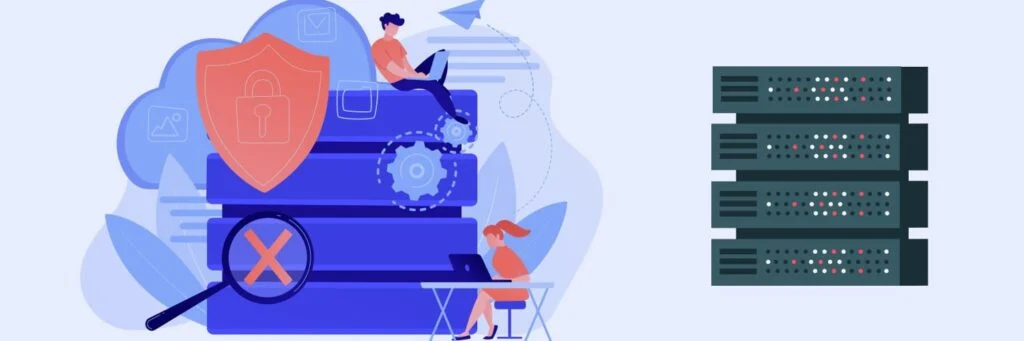
Proxy servers act as intermediaries between a client (such as your computer) and the internet resource you are trying to connect to. They receive requests from clients, forward them to the desired resource, and return the response to the client.
Types of Proxy Servers
1. HTTP Proxy
HTTP proxies handle requests made through the HTTP protocol (web pages). They are used to access websites and can cache content to speed up access.
Uses:
- Anonymous browsing of web pages.
- Caching web pages for faster access.
- Bypassing restrictions on access to certain web resources.
2. HTTPS Proxy (SSL Proxy)
HTTPS proxies handle requests through the secure HTTPS protocol, ensuring encryption of data between the client and the server.
Uses:
- Secure anonymous browsing of web pages.
- Bypassing restrictions on access to secure web resources.
3. SOCKS Proxy
SOCKS proxies operate at a lower level than HTTP and HTTPS and can handle various types of traffic, including HTTP, FTP, and SMTP. They forward data between the client and server without modification.
Uses:
- Bypassing blocks on various protocols.
- Supporting a wide range of internet applications such as torrents, games, and email.
4. Transparent Proxy
Transparent proxies do not hide the client’s IP address from the end server and are typically used for caching and traffic monitoring.
Uses:
- Caching content for faster access.
- Monitoring internet traffic in corporate networks.
5. Anonymous Proxy
Anonymous proxies hide the client’s IP address but may reveal that a proxy is being used.
Uses:
- Protection from tracking.
- Bypassing regional restrictions.
6. Elite Proxy (High Anonymity)
Elite proxies provide the highest level of anonymity, completely hiding the fact that a proxy is being used and the client’s IP address.
Uses:
- Maximum anonymity protection.
- Bypassing complex restrictions and blocks.
Conclusion
Proxy servers offer various options for privacy protection, anonymous internet access, and bypassing restrictions. The choice of proxy type depends on the specific needs of the user: from anonymous web browsing to ensuring security and confidentiality when working with different internet applications.


